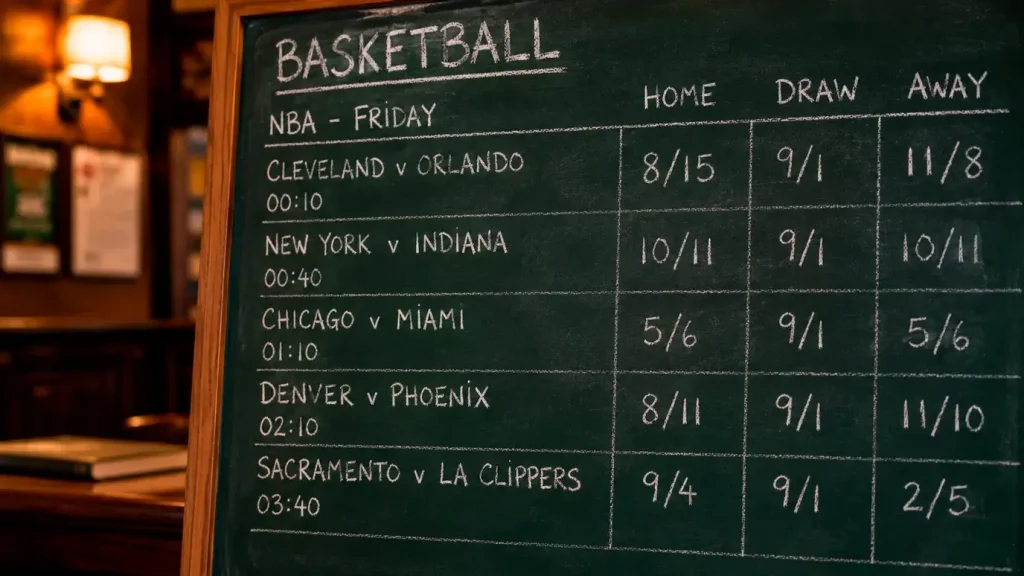
The Under-30 Surge Driving NBA Betting in Britain
 Available in US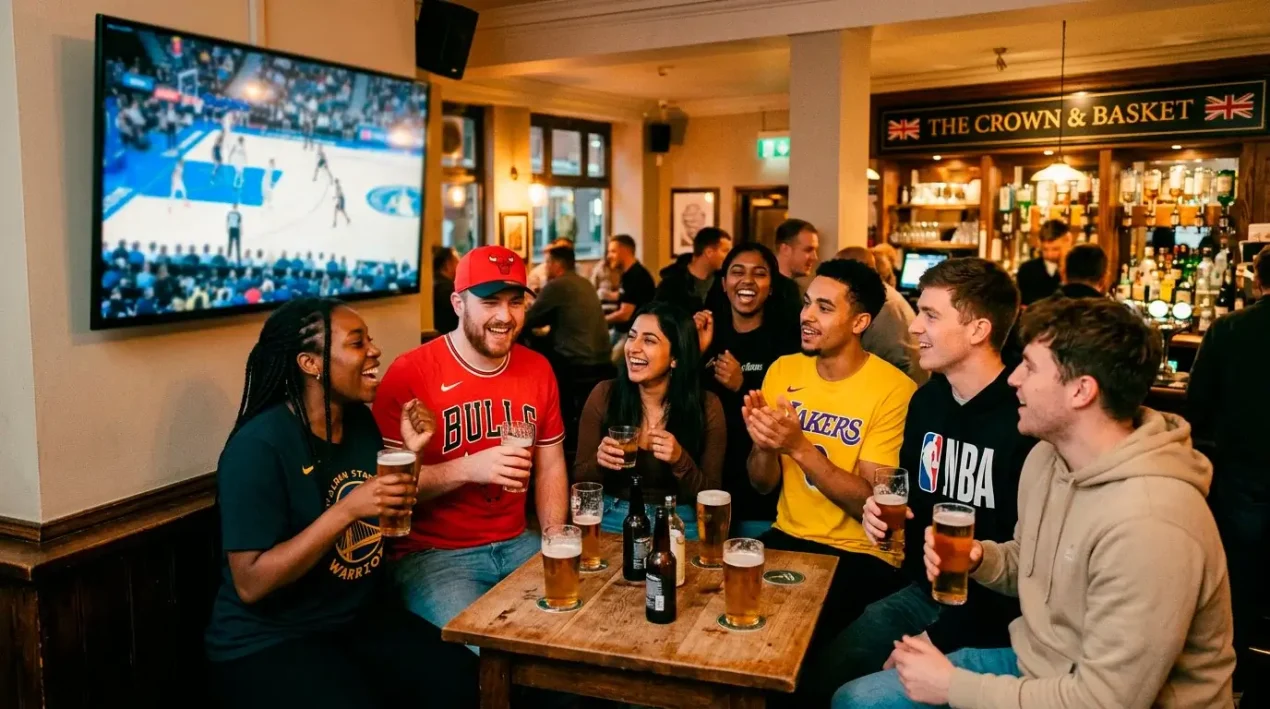
Basketball ranks sixth in overall sports engagement among 18-24 year-olds in the UK, and the NBA’s global audience has a pronounced youth tilt: the 18-34 age bracket makes up 41.03% of viewership, with the under-18 cohort growing at a compound annual rate of 8.21%. These are not football numbers, but they describe a curve that is steepening rather than flattening. The UK’s NBA betting demographic is being shaped by the same forces, and understanding who is betting on basketball in Britain tells you something about where the market is headed.
Age and Gender: Who’s Betting on the NBA
The UK Gambling Commission’s Gambling Survey for Great Britain provides the broadest available dataset on British gambling participation. Twelve percent of UK adults placed a sports bet in the four weeks preceding the survey — a figure that represents millions of people. The gender split is dramatic: men bet on sport at a rate of 15-16%, while women participate at roughly 4%. This gap is wider in basketball than in most other sports, partly because basketball fandom in the UK skews male more heavily than football fandom does, and partly because the NBA’s midnight tip-off times in the UK create a viewing context that is disproportionately male.
Andrew Rhodes, CEO of the UK Gambling Commission, has described the Gambling Survey for Great Britain as a key building block of the evidence base that helps government, industry, and other partners understand both gambling behaviour and potential consequences from gambling. The survey data paints a picture of NBA betting as overwhelmingly young and male — a demographic that is simultaneously the most engaged with the product and the most at risk from its harms.
Age is the defining variable. The NBA’s youngest viewers are also its most enthusiastic bettors. The 18-24 age group has higher rates of mobile betting, higher rates of in-play wagering, and higher rates of same-game parlay usage than any other cohort. They are also the group most likely to have been introduced to betting through social media advertising, tipster accounts, and peer recommendations rather than through traditional bookmaker marketing. The path to NBA betting for a 20-year-old in Birmingham looks nothing like the path for a 45-year-old in Manchester — and the product they consume once they arrive is different too.
Device and Location: How UK NBA Bettors Wager
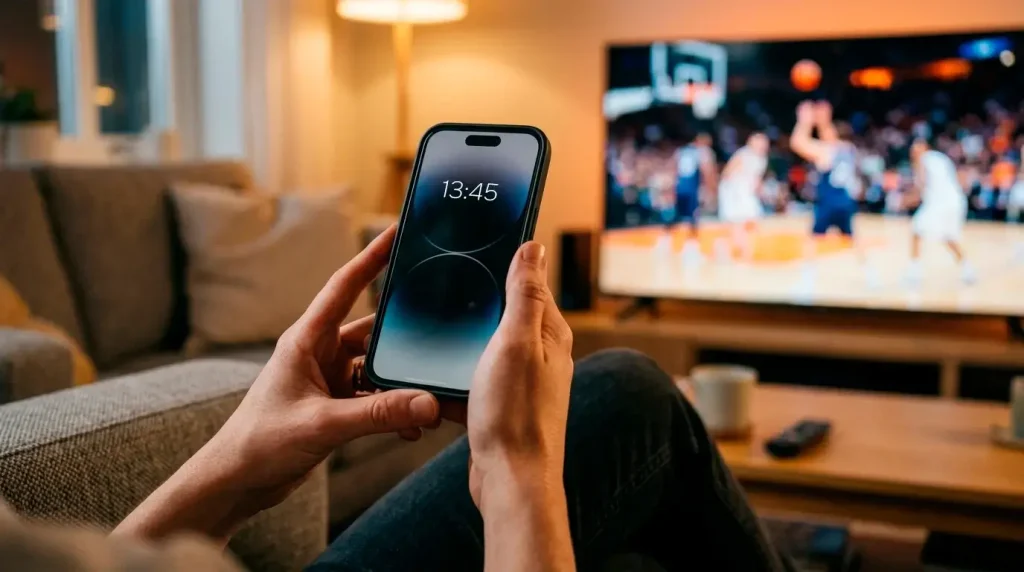
Ninety-five percent of online bets in the UK are placed from home, and 76% of young bettors aged 18 to 24 use a mobile phone as their primary device. For NBA betting specifically, the mobile-first pattern is even more pronounced because of the tip-off times. When a game starts at midnight or 1am UK time, you are not sitting at a desktop computer in an office. You are in bed, on the sofa, or commuting home late — environments where the phone is the only practical device.
This mobile dominance has reshaped the NBA betting product. Bookmakers optimise their NBA market presentation for small screens. Bet builder tools are designed for thumb navigation. Cash-out buttons are placed where a mobile user can reach them with a single tap. The entire user experience is engineered for someone who is watching an NBA stream on one device and betting on another — or, increasingly, doing both on the same phone, switching between a streaming app and a betting app during commercial breaks.
The location data adds context. Home betting dominates, but a small but growing segment of NBA betting occurs in social settings — pubs showing late-night NBA games, private viewing events, and watch parties organised through social media. In these environments, betting becomes a social activity. Friends build parlays together, compare selections, and react collectively to outcomes. The social dimension of NBA betting is underresearched but commercially significant, because it creates a viral acquisition channel that no marketing budget can replicate.
Growth Outlook: 2026 and Beyond
Approximately 68% of surveyed UK gamblers indicated in early 2026 that they planned to increase their betting activity over the coming year, driven in significant part by the expanded sports calendar that includes the 2026 FIFA World Cup. While football will capture the largest share of that increased activity, the NBA benefits from the broader engagement trend. Bettors who increase their overall activity tend to explore sports they previously ignored, and the NBA — with its nightly schedule, extensive market depth, and culturally appealing product — is well-positioned to capture that exploratory interest.
The demographic trajectory is favourable for NBA betting growth in the UK. Each year, a new cohort of 18-year-olds enters the legal betting population, and that cohort is more familiar with the NBA than any previous generation of British sports fans. They grew up watching NBA highlights on YouTube, playing NBA 2K, following players on Instagram, and consuming basketball content through podcasts and social media accounts that did not exist a decade ago. Their knowledge base is broader and deeper than the previous generation’s, and their willingness to bet on a sport they know well is a natural extension of their fandom.
The constraints on growth are regulatory rather than cultural. The UK Gambling Commission’s ongoing reforms — tighter marketing rules, enhanced affordability checks, and the statutory levy — will moderate the pace of market expansion by increasing the cost of customer acquisition and reducing the intensity of promotional activity. For the NBA betting demographic specifically, the 10x wagering-requirement cap and the ban on mixed-product promotions are likely to improve the customer experience by reducing the exploitative elements of the promotional ecosystem. A cleaner, fairer market may grow more slowly, but it will grow more sustainably.
The growth in UK NBA viewership is the leading indicator. Betting follows eyeballs, and the eyeballs are moving toward basketball at a rate that has no precedent in UK sports history. The demographic data confirms that this movement is concentrated among young, digitally native, mobile-first consumers — the exact audience that the betting industry is built to serve. Whether the industry serves them well or serves them responsibly is the question that the next decade of UK NBA betting will answer.
What age group bets the most on NBA in the UK?
The 18-34 age bracket is the most active NBA betting demographic in the UK, reflecting the broader NBA audience profile where this age group makes up 41.03% of global viewership. Young bettors aged 18-24 show the highest rates of mobile betting, in-play wagering, and same-game parlay usage.
How does gender affect NBA betting participation in Britain?
Men bet on sport at a rate of 15-16% in the UK, while women participate at approximately 4%. The gender gap is wider in basketball than in some other sports, partly due to the NBA’s viewing context in the UK, where games tip off at midnight or later and attract a disproportionately male audience.
This material was created by the COURTSIDE team.
Related posts
Why 76% of Young UK Bettors Already Bet on Mobile

130 International Players — and a Knowledge Gap Most Bettors Ignore